
Opera: The Aria as Drama
Orchestral swell, the held high note, and the room holding its breath.
Who this list is for
This collection is for people who came to "Opera: The Aria as Drama" for the feeling, not the checklist. If you are the sort who queues something up because of how it sits in a room rather than how it ranks, you will recognize the logic immediately. The thread running through "Nessun Dorma", "La Donna e Mobile" and the rest is opera, classical, vocal — music (or the medium) as a place to be, not a scoreboard to clear. It works best in a quiet room with headphones, when you want the work to meet you where you are instead of demanding your full attention. Newcomers get a trustworthy on-ramp; longtime fans who already know the obvious hits will find the quieter, better-argued choices. Skip it only if you want something loud, fast, and built to be finished in one sitting — this is a slow-burn argument by design.
How we picked (our criteria)
Our filter for this list is deliberately not a database sort. We prioritized the opera, classical, vocal, dramatic tone over release-year recency, aggregate ratings, or platform pushes. A pick earns its place by arguing for the thesis above — not the whole canon, but the moments where a single voice carries the weight of a plot. We pick arias that explain why the form survived. That is why "Nessun Dorma", "La Donna e Mobile" sit beside each other: they make the same point from different angles. We dropped anything that relied on shock, speed, or spectacle to land, and kept pieces that reward a second listen more than a first. Where two works made the same argument, we kept the one with the cleaner emotional line. You could not assemble this from a genre tag alone — which is the point.
The curation thesis
Not the whole canon, but the moments where a single voice carries the weight of a plot. We pick arias that explain why the form survived.
Classical is the long game of composed music — structure you can return to forever and still hear something new. We use it for focus, for calm, and for the feeling of centuries of craft in the room.
The list (8)

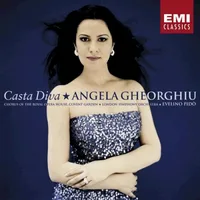
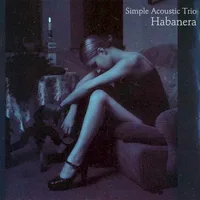
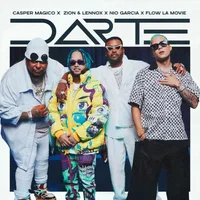
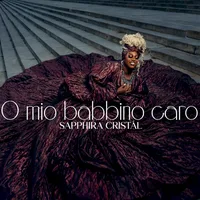
If this list isn't quite your night
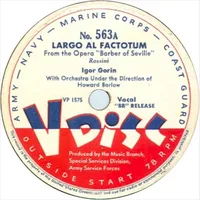
If you like the bones of "Opera: The Aria as Drama" but need a different temperature, swap the most intense picks for their calmer cousins — same argument, lower pulse. People who want constant propulsion, a clear win state, or a tidy ending will likely find this collection too still; that is the deal, not a flaw. For a higher-energy counterpart, look at our faster-paced themes on the same hub; for something even more minimal, drill into the single-tone collections. We would rather you find the right record for your night than the most record on paper. If "Nessun Dorma" is the closest to your taste, "Largo al Factotum" is the one to test first when you want to push the feeling further.
Related curation lists
Go deeper — the theory behind this list
These pillar guides explain the mood-first method and link back to lists like this one.
Frequently asked
What is "Opera: The Aria as Drama" actually about?
Not the whole canon, but the moments where a single voice carries the weight of a plot. We pick arias that explain why the form survived.
How is this different from an algorithm feed?
Algorithm feeds optimize for what you already clicked. This is a curated argument — a human chose every entry for a reason you can read, and the reason is the product.
Will "Nessun Dorma" make sense if I am new to opera, classical, vocal?
Yes. The list is built as an on-ramp: the opening picks state the argument plainly, and the deeper cuts only reward you once the tone is familiar.
Are these records demanding, or can I drop in casually?
Most picks meet you where you are. You can take one entry or stay for the whole arc; none require homework to enjoy.
Why these specific works and not the famous ones?
Fame is easy to find elsewhere. We curate for the argument a list makes, so lesser-known entries that prove the point outrank obvious hits that merely restate it.
Where do the metadata and covers come from?
Real metadata is attributed to open sources (MusicBrainz CC0, RAWG, TMDB). The writing — why each piece belongs — is ours and is the part no API can generate.