
The Antihero Era: Television Grew Up
The confession, the compromise, the slow rot.
Who this list is for
This list is for viewers who got tired of rooting for the good guy. You'll like it if a protagonist you can't approve of is more interesting than one you can, or if you've ever defended a terrible character by saying "but the writing." Skip it if you need someone to root for — these shows are built around the slow rot, and moral comfort is not on offer. It's also a useful lens on why "prestige TV" in the 2000s was a genuinely new kind of storytelling, not just better production.
How we picked (our criteria)
We excluded cartoon villains and any show that forgives its lead too easily. We kept series where the flawed central figure is the entire argument: the confession as structure, the compromise as plot, the rot as character development. A pick earned its place by making you complicit. Where two made the same point, we kept the one with the sharper writing. No finale spoilers, no episode ranking — curation only.
The curation thesis
When the small screen stopped rewarding the good guy. We trace the shows that made the flawed central figure the whole point.
Drama is the default mode of consequence: people, pressure, the thing left unsaid. We curate it for the performances that make you forget you're watching.
Prestige TV/film is the carefully lit, expensively acted, "you should watch this" tier — but we only keep the entries where the craft serves the feeling, not just the résumé. Quality you can feel, not just admire.
The list (8)
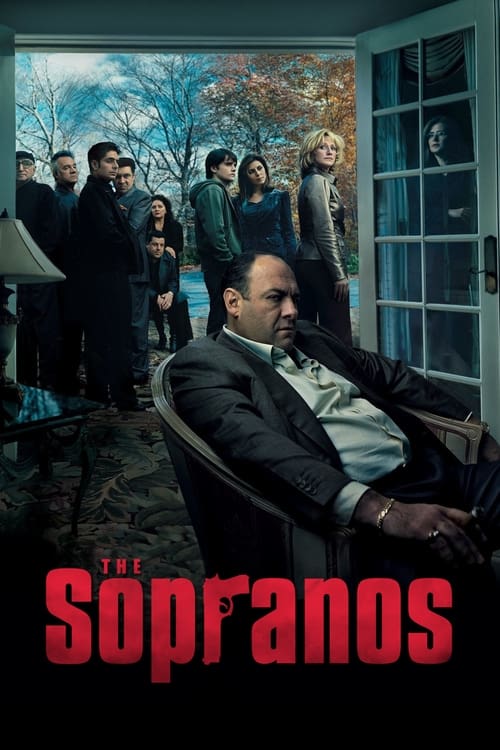
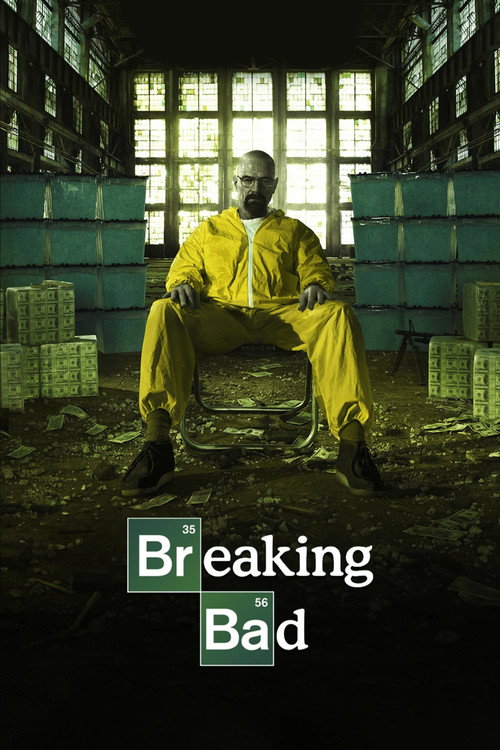
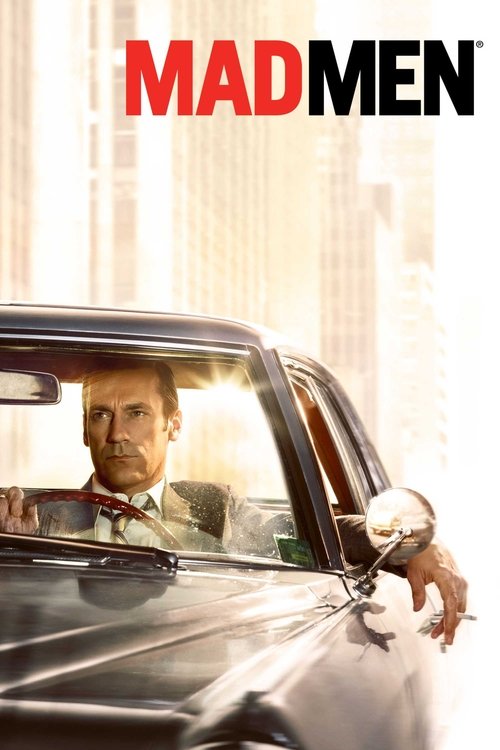
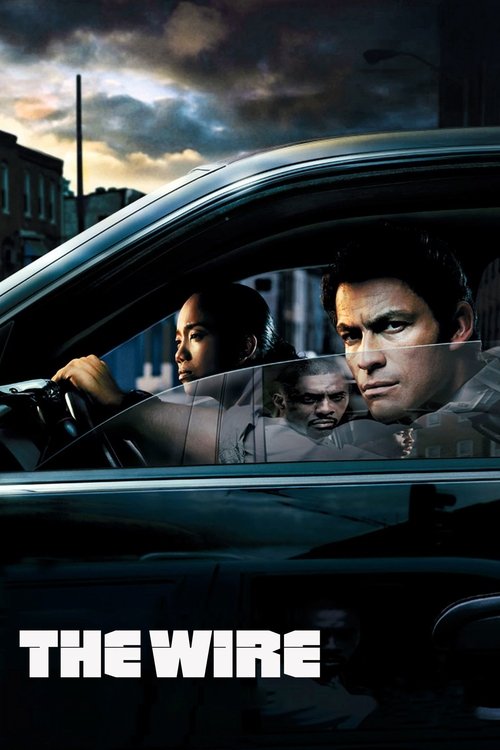
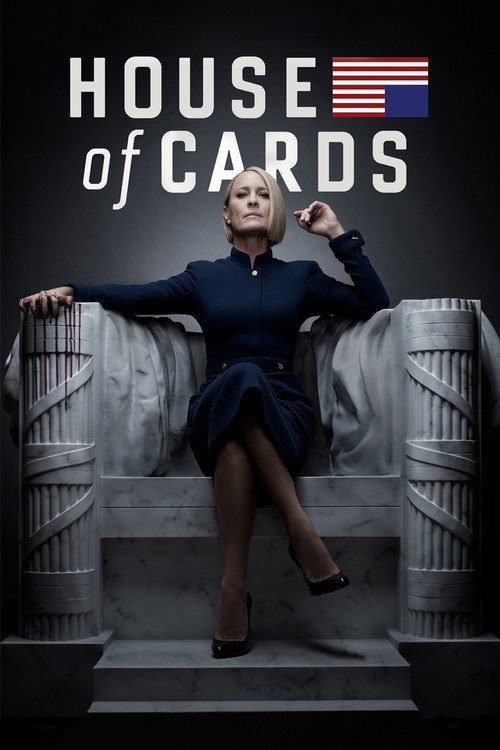
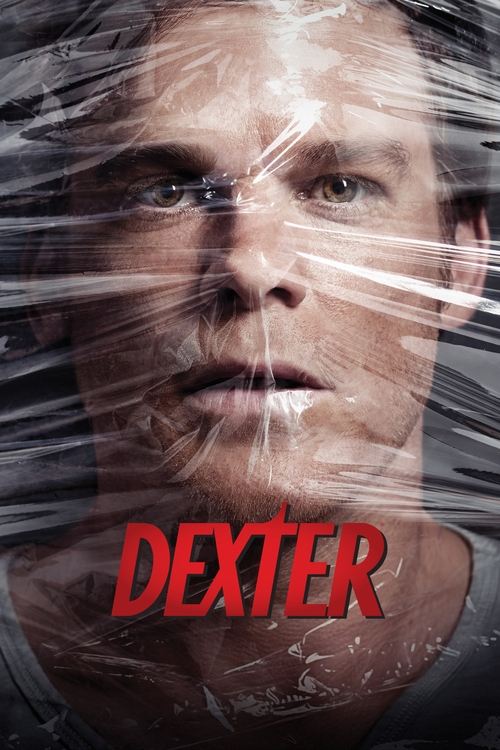

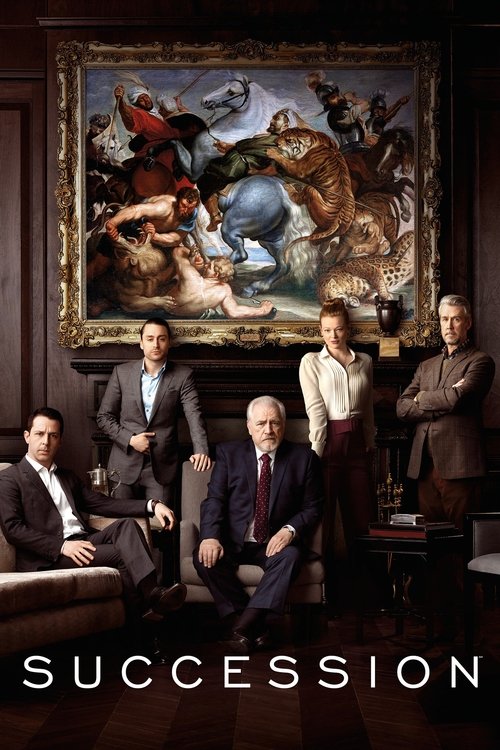
If this list isn't quite your night
If the darkness is right but you want it contained, Limited Series keeps the prestige without the 60-hour commitment. If you want the same moral fog in a film, Neo-Noir carries it in two hours. People who need a hero should try Golden-Hour Drive. For the interactive version, Midnight Dread.
Related curation lists
The Limited Series: The Story That Knows When to Stop
The arc, the conclusion, the respect for the viewer.
Midnight Dread
Not torture-porn horror. The slow, creeping kind. A soundtrack for the hallway you don't want to walk down, a film that implies the worst, a game that makes breathing a strategy, and a series that unravels while you pretend to be fine.
Golden-Hour Drive
Windows-down, no particular destination. A mixtape for the dashboard, a film that lives in warmth, a game with a horizon you can just ride toward, and a series that feels like summer vacation at 6pm. Pure endorphin, zero irony.
Go deeper — the theory behind this list
These pillar guides explain the mood-first method and link back to lists like this one.
Frequently asked
Do I have to like the antihero?
No — you just have to find them interesting. The genre is built on complicity, not approval. The writing is the point, not the morality.
Why is this a "mood"?
Because the feeling of watching someone slowly compromise is its own category — tense, fascinated, a little ashamed. That's the mood.
Will the descriptions spoil the endings?
We avoid spoilers by design. The curation is about the feeling and the form, not the plot beats.
Where do the posters come from?
TMDB for real metadata and art; the editorial framing is ours.
Can I build a similar list?
The Playlist Generator covers film and TV by mood and decade with the same logic.