
Neo-Noir: The City After Midnight
Cynicism, the femme, and the cigarette that never goes out.
Who this list is for
This list is for the night person, the rain-on-glass romantic, and anyone who thinks a city looks better when it's guilty. You'll like it if you've ever stayed up for a thriller that trusts your intelligence, or if a wet street at 1am feels like a genre. Skip it if you need a happy ending or a clear hero — these films live in moral fog on purpose, and clarity would ruin them. It's also a strong pick for people exploring "noir" as a mood that outlasted its era.
How we picked (our criteria)
We excluded the lazy remake and anything that mistakes style for substance. We kept films where the darkness is argument, not decoration: the rain-slick street as state of mind, the cynicism as structure, the femme who is never just a plot device. A pick earned its place by turning atmosphere into meaning. Where two made the same point, we kept the one with sharper shadows. No spoilers, no score-ranking — curation only.
The curation thesis
The moral fog of the postwar thriller, updated. We trace the films that turned rain-slick streets into a state of mind.
Not just "dark crime" — noir is a moral weather system. Rain on the window, a decision made at 2am that can't be unmade, lighting that hides more than it shows. We reach for it when we want the world to feel slippery and the ending to be earned, not tidy.
A thriller is a clock. Tension as structure, the next beat always one breath away. We keep the ones where the stakes feel personal, not manufactured.
The list (7)
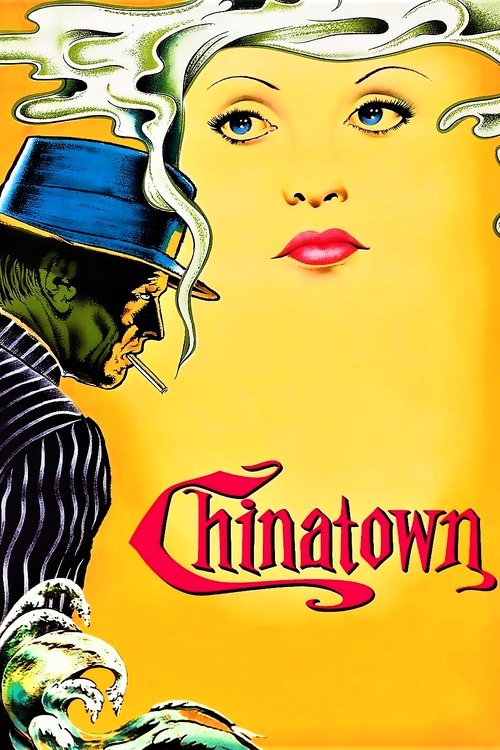

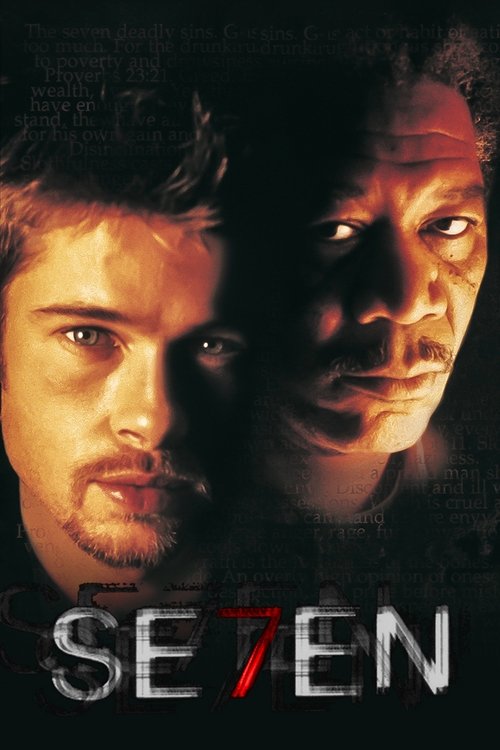
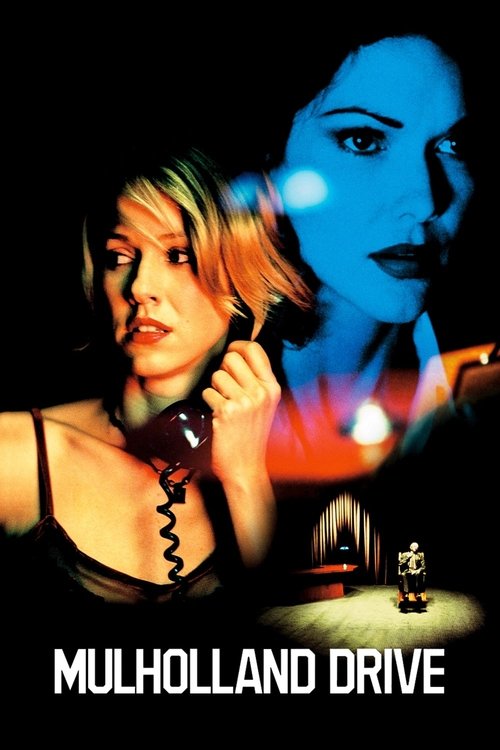
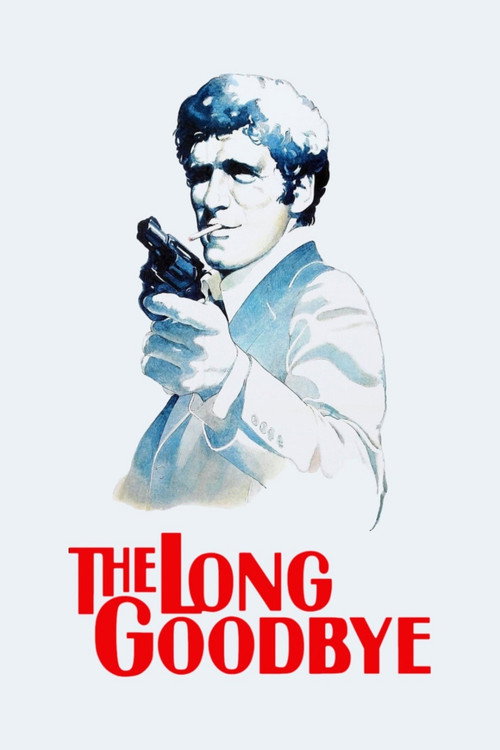
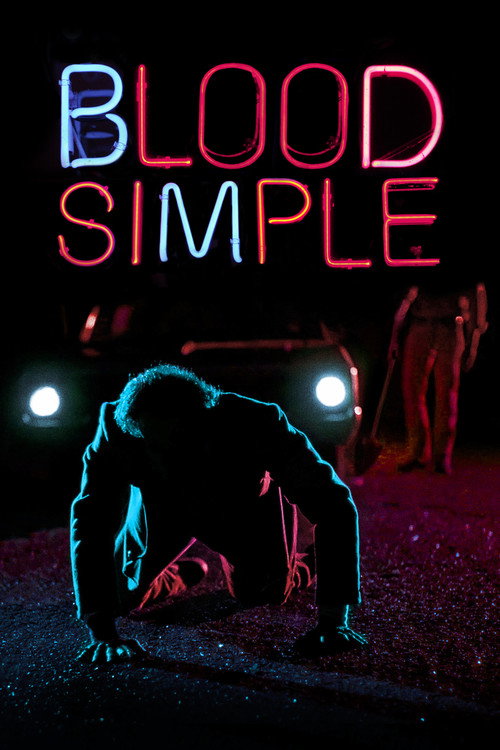
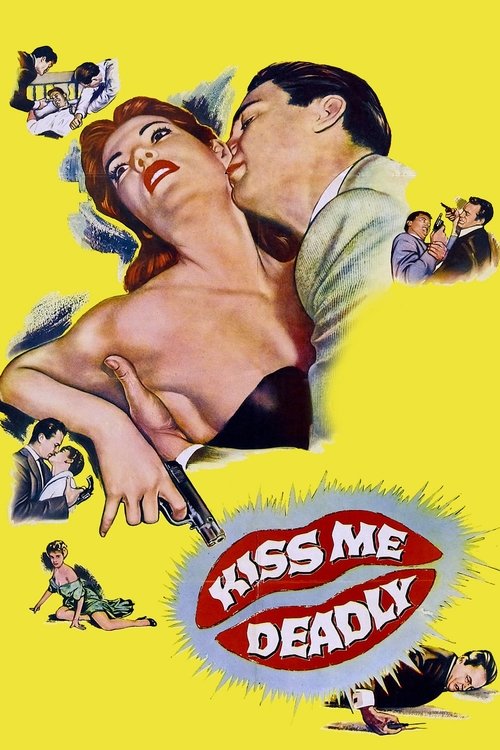
1 entries pending metadata resolution from TMDB.
If this list isn't quite your night
If the darkness is right but you want it slower, Slow Cinema keeps the patience without the crime. If you want the same mood in a game, Midnight Dread carries the dread interactively. People who need a hero should try Golden-Hour Drive. For the long-form version, the slow-burn crime TV themes.
Related curation lists
Midnight Dread
Not torture-porn horror. The slow, creeping kind. A soundtrack for the hallway you don't want to walk down, a film that implies the worst, a game that makes breathing a strategy, and a series that unravels while you pretend to be fine.
Slow Cinema: The Patience of the Frame
Where nothing happens, and everything does.
Adrenaline Night
Heart rate up. A record that hits like a shot, a film that doesn't blink, a game where dying is the point, and a series that moves at a sprint. For the night that's supposed to end too late.
Go deeper — the theory behind this list
These pillar guides explain the mood-first method and link back to lists like this one.
Frequently asked
Is neo-noir just crime films?
It's crime filtered through mood — the moral fog, the city as psychology. The genre matters less than the feeling of a world that's guilty by default.
Will I be lost without knowing classic noir?
No. These update the tropes; the list works as a standalone mood. The classics just add a layer if you go looking.
Why no spoilers in the descriptions?
Because the point is the atmosphere, and a spoiled twist is a ruined mood. We curate the feeling, not the plot.
Where do the posters come from?
TMDB for real metadata and art; the editorial framing is ours.
Can I build a similar mood list?
The Playlist Generator works for film by mood and decade with the same editorial logic underneath.