
Slow Cinema: The Patience of the Frame
Where nothing happens, and everything does.
Who this list is for
This list is for viewers who have made peace with the long take. You'll like it if a film that withholds plot feels generous rather than boring, or if you've ever left a movie vaguely changed and unable to explain why. Skip it if you need a story to move — these films trust silence over incident, and impatience reads as the film's failure, not yours. It's also a useful list for anyone exploring "art cinema" as a feeling rather than a genre, and for people who find most modern films too loud.
How we picked (our criteria)
We excluded slow films that are slow out of laziness, and anything that mistakes length for depth. We kept directors who use restraint as argument: the held frame, the unbroken take, the meaning that arrives only if you wait. A pick earned its place by making patience feel like participation. Where two made the same point, we kept the one with the more confident silence. No plot summaries, no ratings — curation only.
The curation thesis
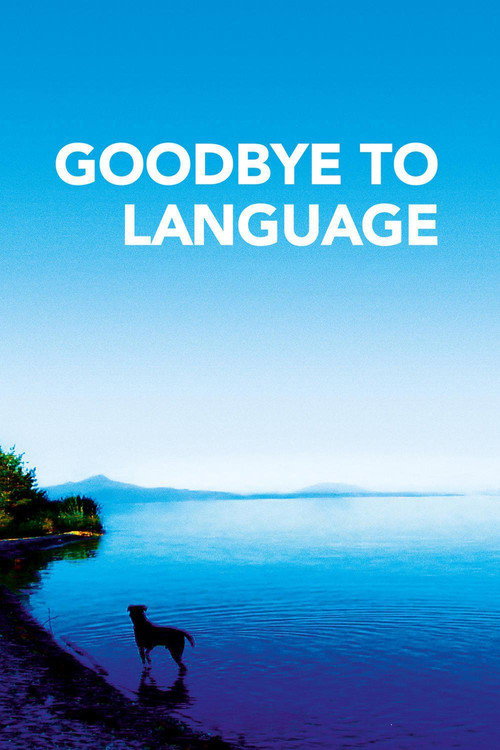
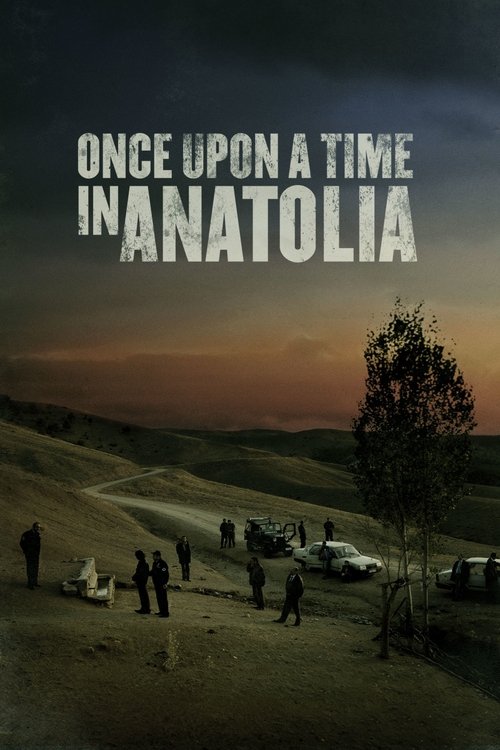
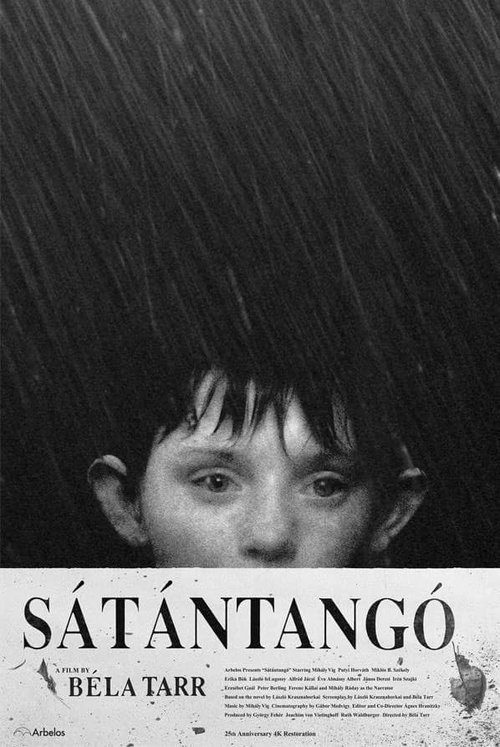
Films that refuse the cut. We gather directors who trust silence, the long take, and the viewer who is willing to wait for meaning.
Art cinema trades the three-act structure for patience. Long takes, ambiguous cuts, faith that the viewer will sit with discomfort. These are the picks for when you want to be changed a little, not merely entertained.
A director's fingerprints are everywhere: a recurring shot, a signature restraint, a worldview you'd recognize with the sound off. We curate auteur work for the argument a single sensibility makes across a whole film, not for any one scene.
The list (8)
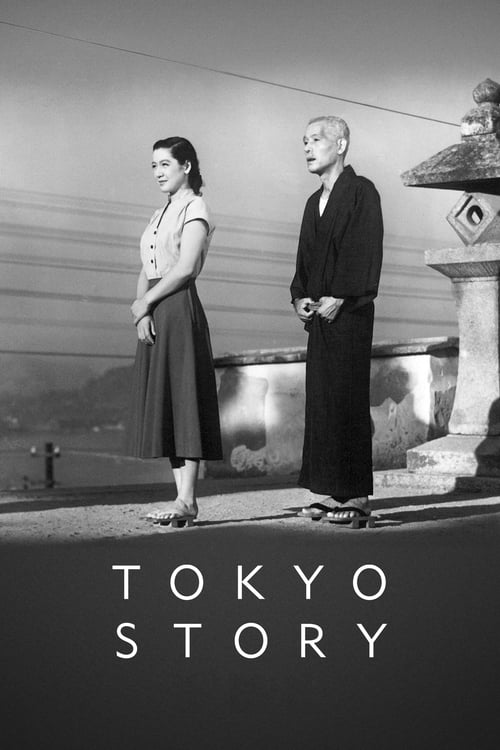
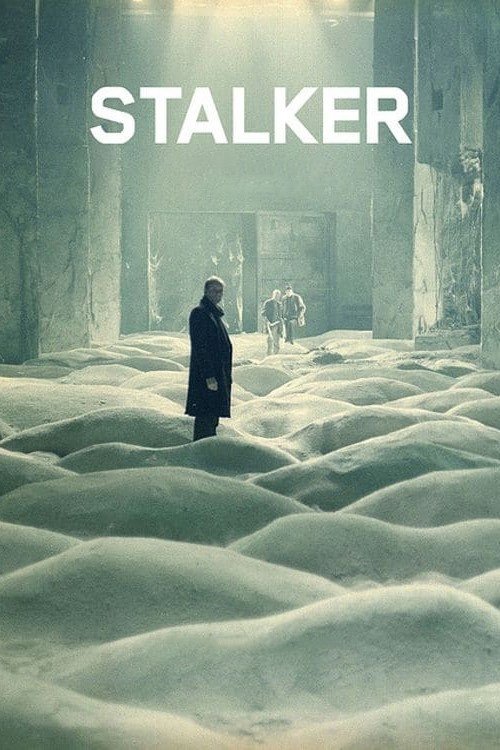
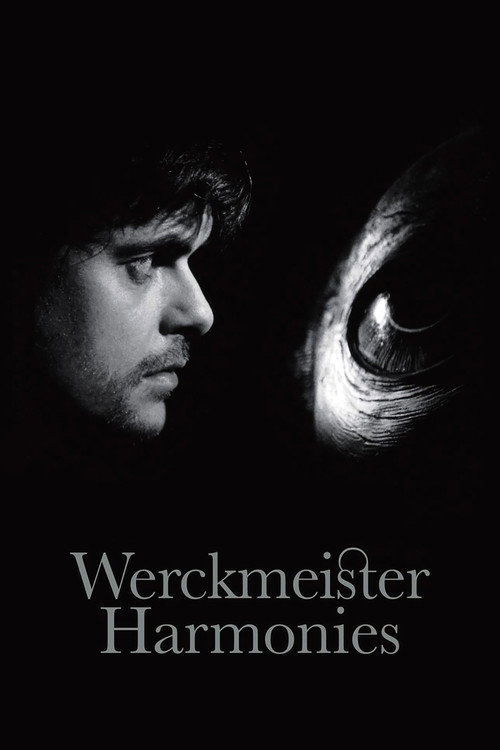

If this list isn't quite your night
If the contemplation is right but you need a little story, Coming-of-Age (Quiet) keeps the tenderness with more incident. If you want the "earned through waiting" feeling in another medium, the slow-burn TV themes do the same over weeks. People who want momentum should try Adrenaline Night. For the dark patience version, Midnight Dread.
Related curation lists
Neo-Noir: The City After Midnight
Cynicism, the femme, and the cigarette that never goes out.
The Lonely Tuesday
A feeling, not a genre. Music for the quiet apartment, a film that understands silence, a game you play alone on purpose, and a series that keeps you company without demanding anything. For the Tuesday that lingers.
Midnight Dread
Not torture-porn horror. The slow, creeping kind. A soundtrack for the hallway you don't want to walk down, a film that implies the worst, a game that makes breathing a strategy, and a series that unravels while you pretend to be fine.
Go deeper — the theory behind this list
These pillar guides explain the mood-first method and link back to lists like this one.
Frequently asked
Are these films "boring"?
Only if you arrive expecting plot. They reward attention differently — the frame, the silence, the held moment. Patience is the ticket, not a flaw in the film.
Why is slowness a mood?
Because the feeling of settling in and waiting for meaning is its own category — closer to a long piece of music than to a thriller.
Do I need to know film theory?
Not at all. The list is an on-ramp, not a syllabus. Watch one and see if the quiet lands.
Where do the posters and credits come from?
TMDB for real metadata and art; the editorial reason each film belongs is ours.
Can I find these on common services?
A few are on major platforms; many are catalog titles best found via library streaming or boutique discs. The Data page lists our sources.